
Imagine two public restrooms. Imagine two restrooms for public use. One is a trailhead located in a remote area, that is surrounded by vast open spaces.
Both buildings offer the same service but when they were built as identical buildings it would be difficult to know how these sites function.
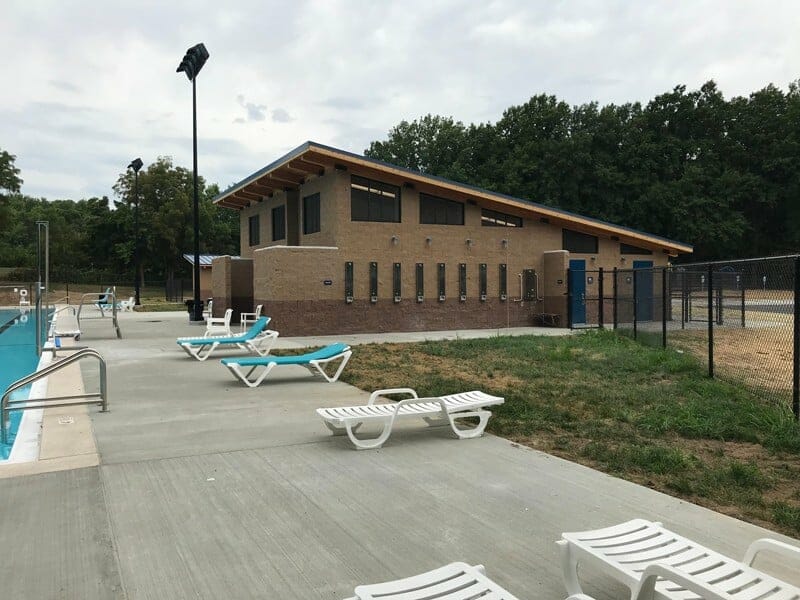
Image credit: romtec.com
It is essential to choose the right site for creating excellent public restrooms. Who will use the facility? What is the maximum number of people who can visit at once? What are the available utilities? How far are visitors required to walk? What’s the architecture around the structure?
How you answer these questions will influence nearly all subsequent decisions.
Begin by watching how people traverse the site
Toilets’ placement shouldn’t be viewed separately from the other features and designs of parks. At a sports venue the visitors can arrive in large groups during sporting events and games. A restroom serving playgrounds needs to be easily accessible for families, while also fitting within the pedestrian flow. In a downtown area there may be a need to incorporate sidewalk restrooms in less space while also enhancing streetscaping elements.
The structure is just one piece of the experience. The location of the building is determined by a variety of factors, including its accessibility, proximity to activities pathways, entrances, and paths.
Remote sites pose a unique problem
It is now time to move the project from established roads and utility infrastructure. The traditional sewer line may not be accessible at a scenic viewpoint or in remote recreation areas, trailheads, campgrounds, or in other locations. In appropriate applications, vault toilets provide an alternative that allows restroom facilities to serve locations where traditional plumbing infrastructure may be difficult or impractical.
The design discussion is distinct. Instead of picking a structure, project teams should evaluate the conditions of the site to determine what restroom system best suits the location.
Capacity should be reflected in Actual Use
A park located in a tranquil area and a sports complex regionally do not have the same pattern of visits. The peak demand is crucial. It is not enough to have a facility that is in good order on an afternoon on Tuesday.
Before construction, owners should consider the actual usage of restrooms, such as their capacity, layout, fixtures and maintenance requirements.
For companies looking to construct the possibility of prefabricated parks restrooms Flexibility is advantageous since the building can be configured around the specifications of the project, instead of forcing the site to accommodate a predetermined model.
Even though Architecture is still an element of the conversation
It’s not just due to its function. A public bathroom is a part of the landscape. The roof’s forms walls, sidings, colors fixtures, and masonry are used to relate it to the pavilions and concessions nearby and natural surroundings, or even a theme for a community design.
Romtec’s bespoke approach lets teams to use various colors, materials and shapes as well as exterior treatments, rather than being limited to a traditional appearance.
Design for Place, not Just for Function
Romtec collaborates with park owners and contractors to supply and install bathrooms and other public facilities. Its experience includes building documentation codes, building documentation, ADA considerations, engineering, component selection, and construction across the United States.
It’s surprising how easy the beginning point is. Don’t begin by asking yourself what kind of restrooms you can construct on your site. Learn about what’s already happening on the site which includes people, activities and infrastructure. Create the building that fits in with the existing structures.