
A park district approves the financing of a new public toilet. The building is in an ideal location, and the team is set to take the next step.
The contractor will begin to look over the site. The chosen location has drainage problems. The utility connections could be farther from the proposed location than originally thought. The delivery vehicle might struggle to reach the location and the construction layout isn’t in line with the available space.
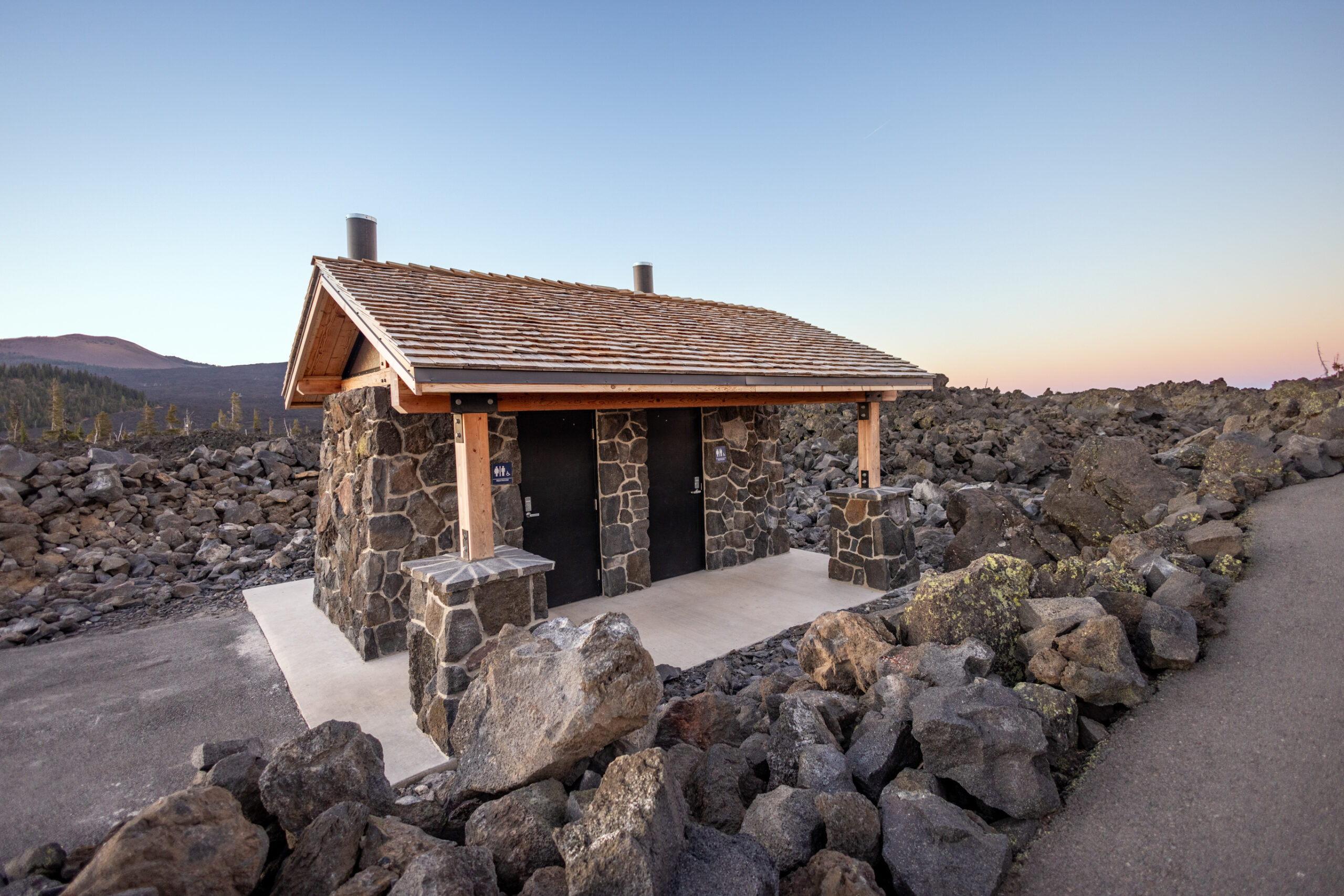
Image credit: romtec.com
None of these problems necessarily means the project cannot proceed. But, they could result in redesigns, extra costs, and delays in construction. If the site’s conditions dictate the design of a building right from the beginning It makes it much easier for both builders and public agencies to manage restroom projects.
The whole picture isn’t evident in a construction drawing
Before choosing constructed park restrooms that are prefabricated Project teams must understand what the surrounding property can be able to accommodate. The slope of the land as well as the soil and drainage conditions along with access to construction facilities and utilities will all affect the installation.
A restroom close to a playground, as an example it may require to be connected to the existing infrastructure of sewer and water. If the connections aren’t available or cost prohibitive to build and the project is not feasible, it may be required an alternative approach to sanitation.
It is essential to think about the specifics of the site’s conditions in addition to any applicable codes. The basic layout of the building may be suitable on paper, but it’s likely to require substantial changes once these factors are taken into consideration.
Urban Projects have their own construction limitations
To install sidewalk restrooms, you will require more than just a space that is compact. On sidewalks that are public it is common to find underground utilities, pedestrian walkways along with street furniture and entrances close by. Cooperation with local authorities is typically necessary for construction work.
A restroom positioned too close to a utility line may cause problems with excavation or foundation work. Accessibility of the restroom is another consideration. The entrance and its surrounding access should be constructed to meet any applicable requirements, not only accommodate the space available.
Romtec has a variety of customizable ADA designed single-user bathrooms, with options for the placement of door and sink. The design options offer teams working on projects the ability to adapt to site limitations and to plan for practical public usage.
There is no sewer Connection? Look at the alternatives
Remote recreation sites face a unique infrastructure issue. The nearest sewer line may be miles away therefore flush toilets aren’t practical.
In appropriate locations, vault toilets provide a waterless alternative. They do not rely on the sewer to transfer wastewater, but rather collect it in a storage tank, which must be maintained periodically.
However, selecting a vault toilet doesn’t mean that you can skip the planning requirements for the site. The construction requires adequate soil conditions, access to servicing equipment safely in a safe manner, adequate ventilation, and respect for environmental regulations.
Romtec’s Sweet-Smelling technology (SST) is used to design waterless vault toilets. It helps to control stinks through ventilation. An early choice of a sanitation solution can reduce the cost of building modifications.
Construction Coordination Begins Before Delivery
Prefabricated construction is often misinterpreted as being pre-decided by the builder. In practice, site preparation and foundation requirements, utilities connections accessibility, local approvals require coordination. Romtec’s approach for these projects is to use customized building kits and design support instead of relying exclusively on pre-built structures.
The firm works closely with landscaping architects, project managers, and contractors to match specifications for building to the requirements of the site. This is especially useful when a bathroom has to match an architectural style in particular or meet unusual property conditions.
A Better Project Starts With Better Questions
Owners need to first establish the location of the restroom before determining the route through which construction equipment can access the area, as well as the required approvals.
It is important to know if the selected sanitation system is suitable for the expected number of visitors, and whether the building can be installed without major changes to surrounding infrastructure.
The questions are not as thrilling as exterior finishes or architectural details, but they can affect more on the project’s price and timeframe.
A successful public restroom construction isn’t just one that has an building on time. It’s one where the building infrastructure, site infrastructure along with the construction process and the purpose for which it is intended to be together. The finished bathroom is more efficient if these decisions are made in advance.