
On paper, a project for pumping might seem straightforward: water has to be moved from one location to the next. However, there are many factors that affect the distance between two locations, such as elevation and flow rate, solids, pressure, storage capacity, and access to maintenance.
For Romtec Utilities to design an infrastructure for pumping begins with defining those operating conditions instead of selecting the items from a standard catalog. Design concepts and budgetary information will be developed in accordance with what the project actually requires.
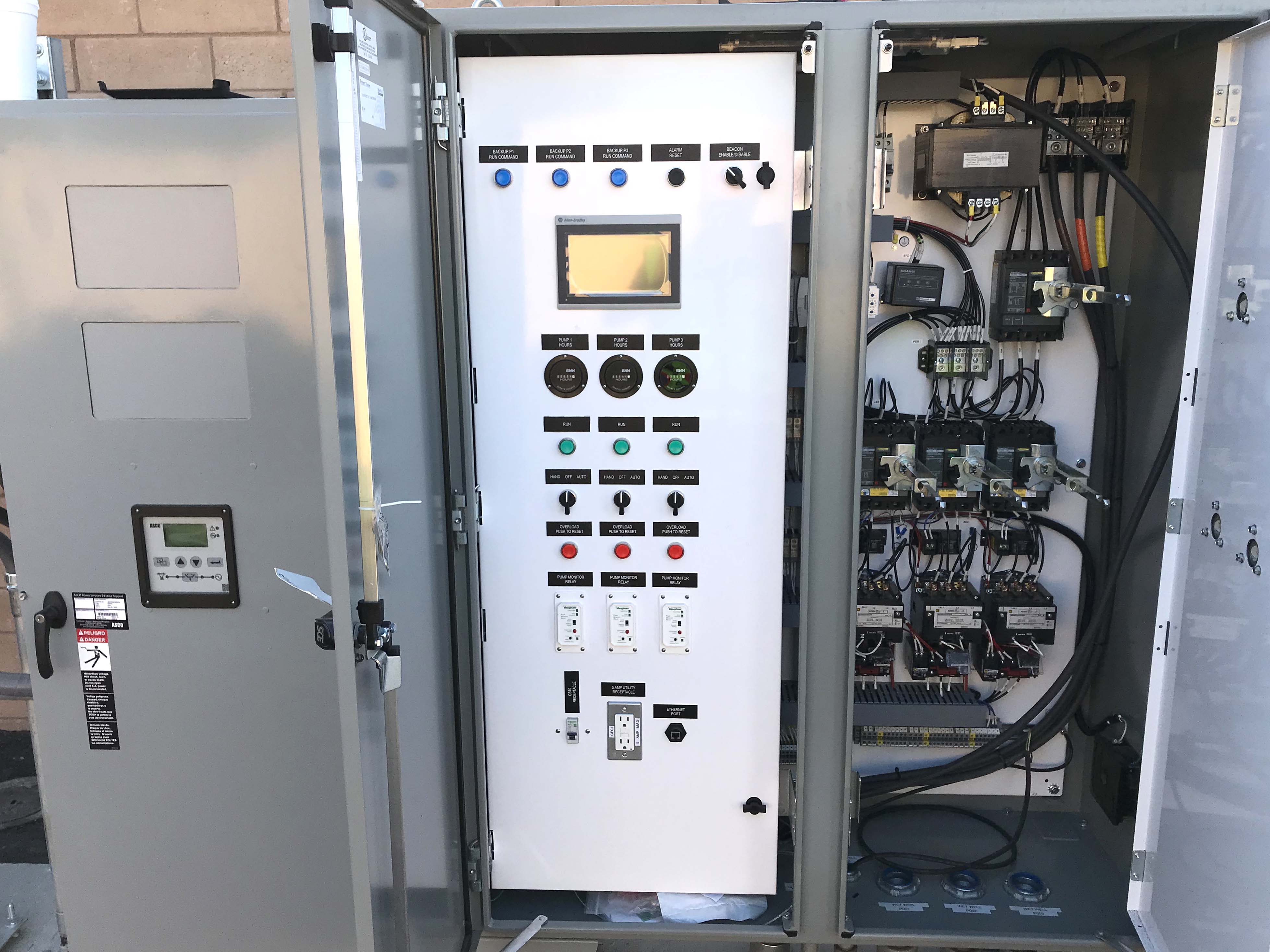
Image credit: romtecutilities.com
Begin by asking the simple question: What are we doing?
The engineering changes immediately.
There could be a significant fluctuation in the rate of flow of wastewater that is used for domestic use. The wastewater lift station is needed when gravity conveyance cannot or does not work. Engineers must therefore consider expected inflow, peak conditions as well as pumping capacity, wet-well behavior, discharge requirements, and how the equipment will be operated and maintained.
Many challenges can be encountered by industrial water. Processing or manufacturing facilities could require moving oily, caustic, high-temperature or high-pressure liquids. Romtec Utilities designs systems for industrial applications that range from food processing and power generation to data centers, pharmaceutical waste, gasoline and oil facilities.
Rainfall can create a completely new operating cycle
Stormwater systems can be inactive for long periods, only to suddenly have to deal with massive volumes during major storms.
A stormwater lift station that is connected with a detention basin for instance, has to work alongside the drainage strategy. The runoff is absorbed into the basin. Temporary storage regulates the volume instantly. The pumping system takes the water it collects to a designated outlet.
Romtec Utilities offered this type of solution to an Norco, California business park. The pumping system was needed to empty the detention reservoir and then discharge it into the stormwater system. The station needed be designed as part of the development’s drainage infrastructure, rather than being treated as an isolated piece of equipment.
The word “package” does not necessarily be a reference to a shelf
A common misconception is that a package pumping system is simply a predetermined collection of components.
In the case of engineering infrastructure packaging can mean that the entire system of components are coordinated into one system. Meters, pumps, valves control, communications, structural elements, and more equipment can be selected around the requirements of the duty conditions.
This method is particularly useful when the system is required to be connected with an existing infrastructure. The industrial plants and the existing municipal facilities may not provide a lot of space for installation or clean conditions. It could be necessary to adapt equipment around existing structures, pipes electrical systems, schedules and schedules.
Capacity planning has real consequences.
The cost of undersizing rises as the size of the facility increases.
Romtec Utilities, a Portland International Airport utility company, designed and provided an sewer interceptor lift station to the PDX Next project. The new station was designed to double the peak-flow capability of the existing system when airport facilities expand.
This demonstrates a crucial aspect of engineering: designs should not simply be a reflection of what the installation can handle in an average afternoon. Engineers must also understand what happens when demand rises.
The Job isn’t Complete When the Equipment is delivered
Then, drawings and calculations must be converted into an operating system. Coordination of installation, starting, testing documentation, and operator knowledge all affect the long-term success of.
After a few years, the performance of engineered pumping system is assessed. The decisions made in the beginning of the design are obvious when the equipment requires maintenance as flows rise or when an event occurs.
Romtec Utilities integrates these options to offer a complete pumping solution for a specific project. It assists in transforming equipment into infrastructure specially designed to meet the specific conditions in which it will be used.