
A big contract is won by a manufacturer. Monthly production requirements increase, yet the factory does not suddenly gain floors, employees with experience or working hours during the daytime. An increase in production for a short period could be possible, however adding another shift can bring new demands for labor, training, supervision and quality control.
These kinds of situations reveal an important purpose of robotic automation. Robotics does not only replace people with machines. A suitable application can alter the way in which manufacturers make use of their production capacity.
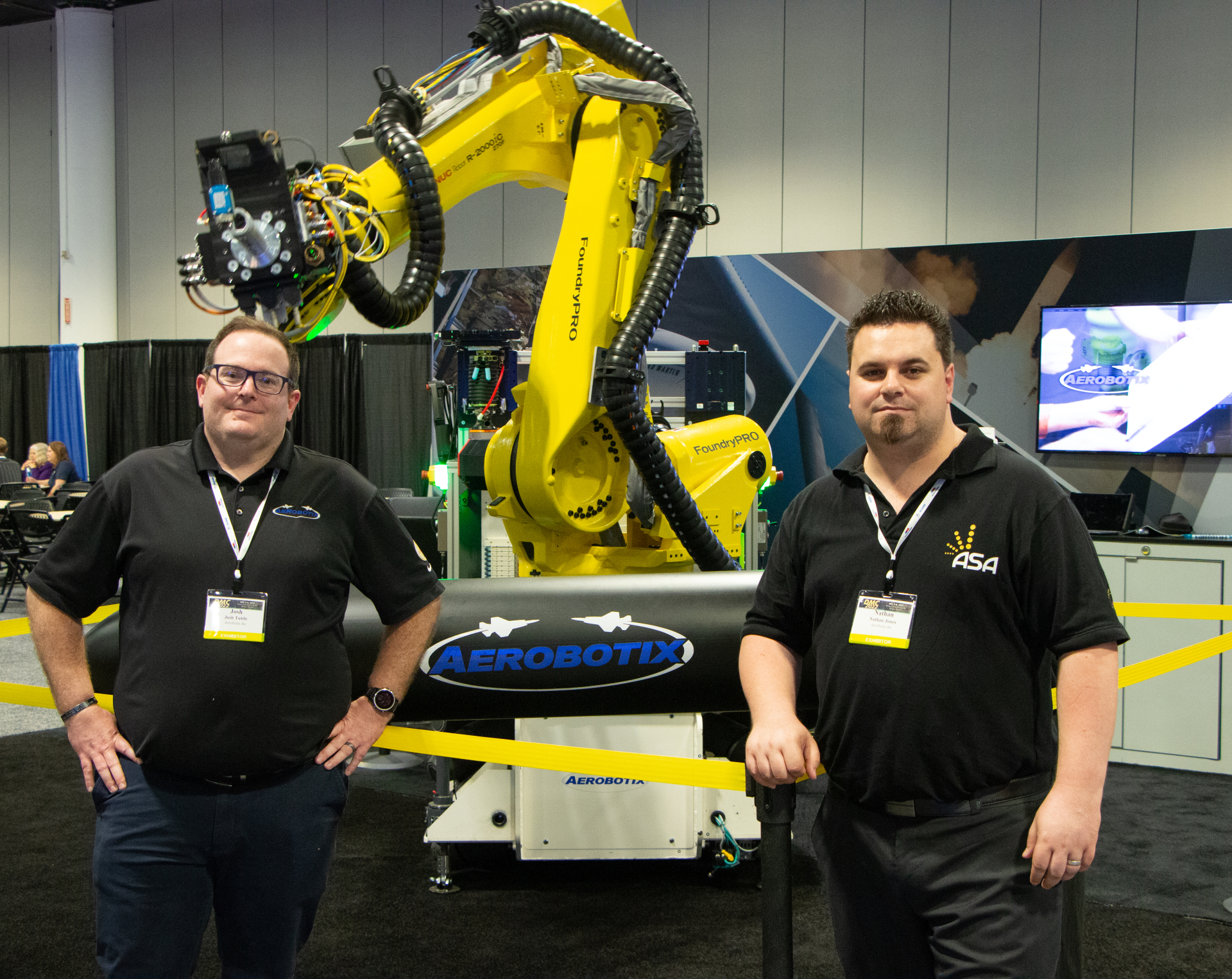
Image credit: automatedsolutions.com.au
Have a look at the time that passes between products
Inefficiency in manufacturing isn’t always so noticeable. Imagine that an operator has spent 15 seconds positioning a component and then 10 seconds putting it in the material, and a few minutes transferring it onto the next task. In the case of a single piece, the difference is minimal. When repeated a thousand times the seconds could add significant production time.
It’s the same with the waste materials. A tiny amount of leftover coating or dispensing material multiplied in a production run with a high volume could result in a significant expense.
Companies considering robotic automation Australia projects can benefit from examining these small, repeated losses before deciding what equipment they need. ASA’s needs analysis aims to uncover bottlenecks as well the quality of work, waste and other process limitations that could impact an automation project.
Robots have to be integrated into the process.
Robots are just one of many engineering options. Guardings, tools, controls sensors, conveyors, and fixtures are also required. Engineers need to consider the reach of the robot and its payload as well as how it will interact with its surroundings and how it will move.
ASA provides concept development, system design and offline programming as part of its method of robotic automation. Engineers can look at system configurations and estimate cycles before the final system is put on the factory floor. This is particularly useful when space is limited or if new robotics need to be integrated with existing production lines.
It is crucial to have repeatability in painting and dispensing
Controlled movement is essential for certain manufacturing processes. Imagine coating hundreds of parts. The end goal isn’t simply finishing each part quickly. The distance, movement, speed, and application need be controlled starting from the beginning of the production line until the final.
The experts at ASA are proficient in dispensing and painting across various industries like aerospace and automotive. Industrial robotic automation in these settings allows for reproducible movements while reducing the exposure of employees to physical demanding processes or processes that could risk injury.
Improved control can also cut down on excessive material consumption, thereby contributing to lower waste alongside productivity improvements.
Even after the installation the system requires users
Automation doesn’t eliminate the requirement for knowledge in manufacturing. It transforms the knowledge needed to run and maintain the process.
Employees must be able to recognize abnormal behavior and troubleshoot issues, and perform the appropriate maintenance. The demands for production can shift over time, which means that procedures and protocols will need to be adjusted.
ASA offers on-site training covering safety, programming as well as troubleshooting techniques and electrical and mechanical maintenance. The company offers servicing and support to check the condition of equipment and taking care to address wear and tear throughout the life of the system.
Capacity is more than the ability to work faster
In Australia, increasing production capacity is not always about hiring more workers for repetitive tasks or buying larger buildings. One of the best questions to ask is whether your current production process can still be improved.
ASA has been developing and integrated automation solutions since 2002, assisting manufacturers in Australia and projects internationally. Its approach combines needs analysis, engineering simulation, FANUC integration training, and service.
Automation is not just for the sake of automation. A successful system must give a manufacturer something measurable in terms of increased reliability and quality, as well as safer methods, less waste or a greater capacity in the facility it operates.